
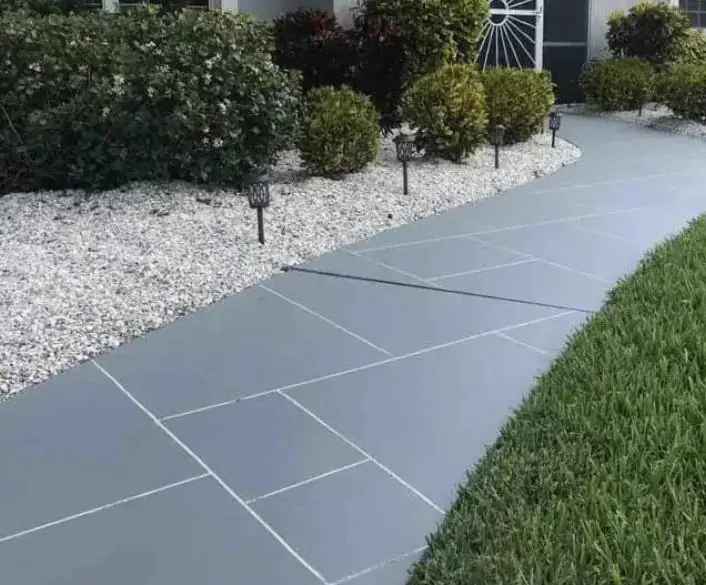
Interlocking & concrete
Interlock and Concrete Driveways, Walkways and Patios
Driveways, walkways, patios and stamped concrete on a base deep enough for Ontario freeze-thaw.
CarpentryBoys builds interlocking paver and concrete driveways, walkways, patios and stamped concrete in Hamilton, Brampton, Mississauga, Oakville, Burlington and the GTA. We excavate to the right depth, compact the granular base in lifts, slope everything away from the house, and check your city's driveway-width rules before widening.
Your project scope
Interlocking & Concrete by a general contractor
Frost reaches roughly 1.2 m (4 ft) down here, and water in a thin or loose base freezes and lifts pavers by the second spring. The base is what you pay for.
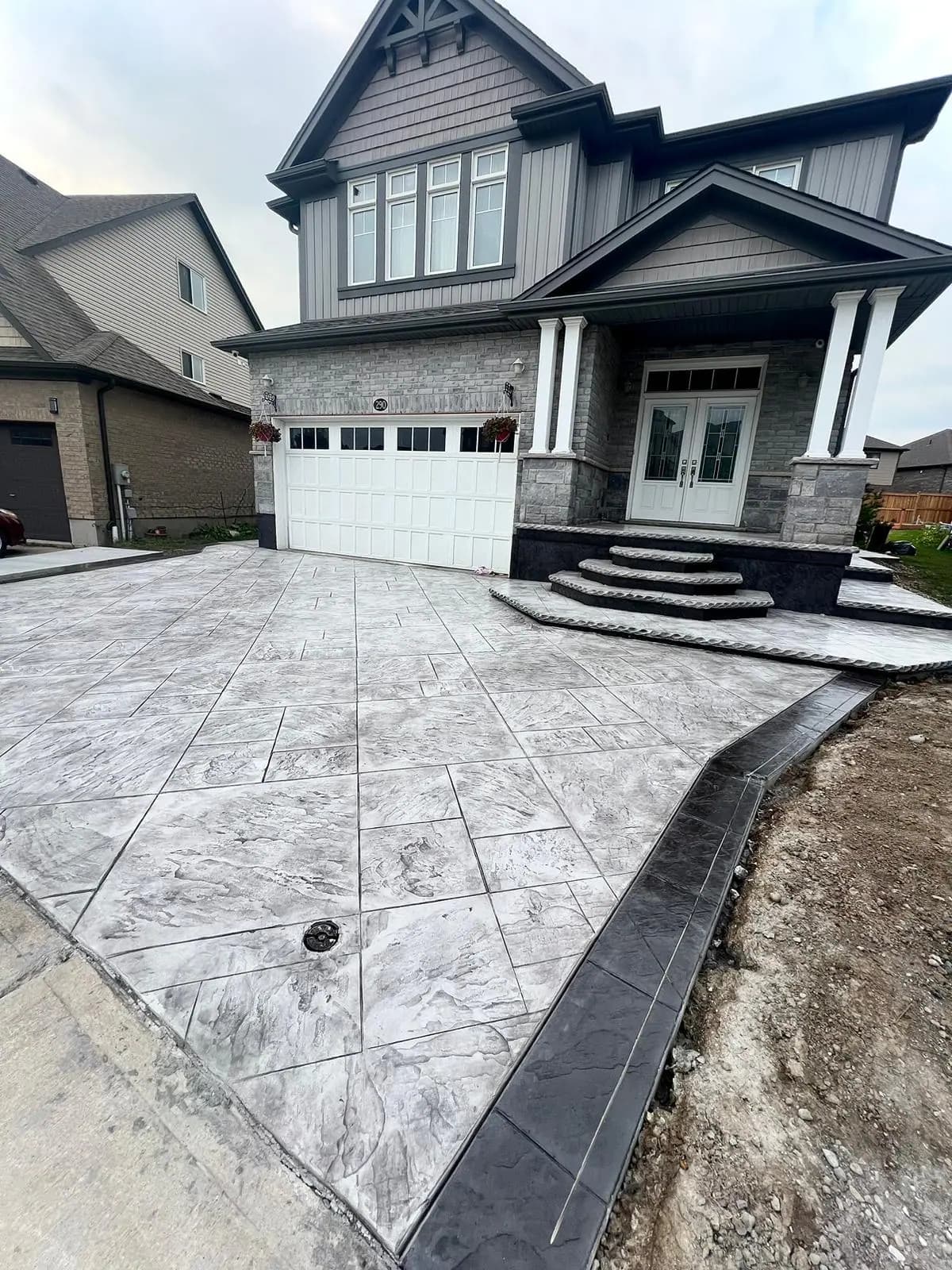
What's included
One contract covers the whole scope
Interlock driveways
Geotextile on clay, compacted Granular A, vehicle-rated pavers, edge restraint and polymeric sand.
Walkways and patios
Front walks, side-yard paths to basement entrances, and backyard patios sloped to shed water.
Stamped and broom-finish concrete
Air-entrained concrete, reinforcement, control joints, colour, stamp and sealer.
How the work runs
Our interlock & concrete process, step by step
- 01
Site visit, measurements and locates
We check grades and drainage and request Ontario One Call locates.
- 02
Design, zoning check and quote
We confirm your allowed driveway width and quote in writing.
- 03
Excavation and base
We dig to depth and compact the base in lifts.
- 04
Pavers or concrete
Pavers are laid, cut and locked with sand. Concrete is formed, poured, jointed and cured.
- 05
Cleanup and care notes
We regrade the edges and leave written care notes.
Recent work
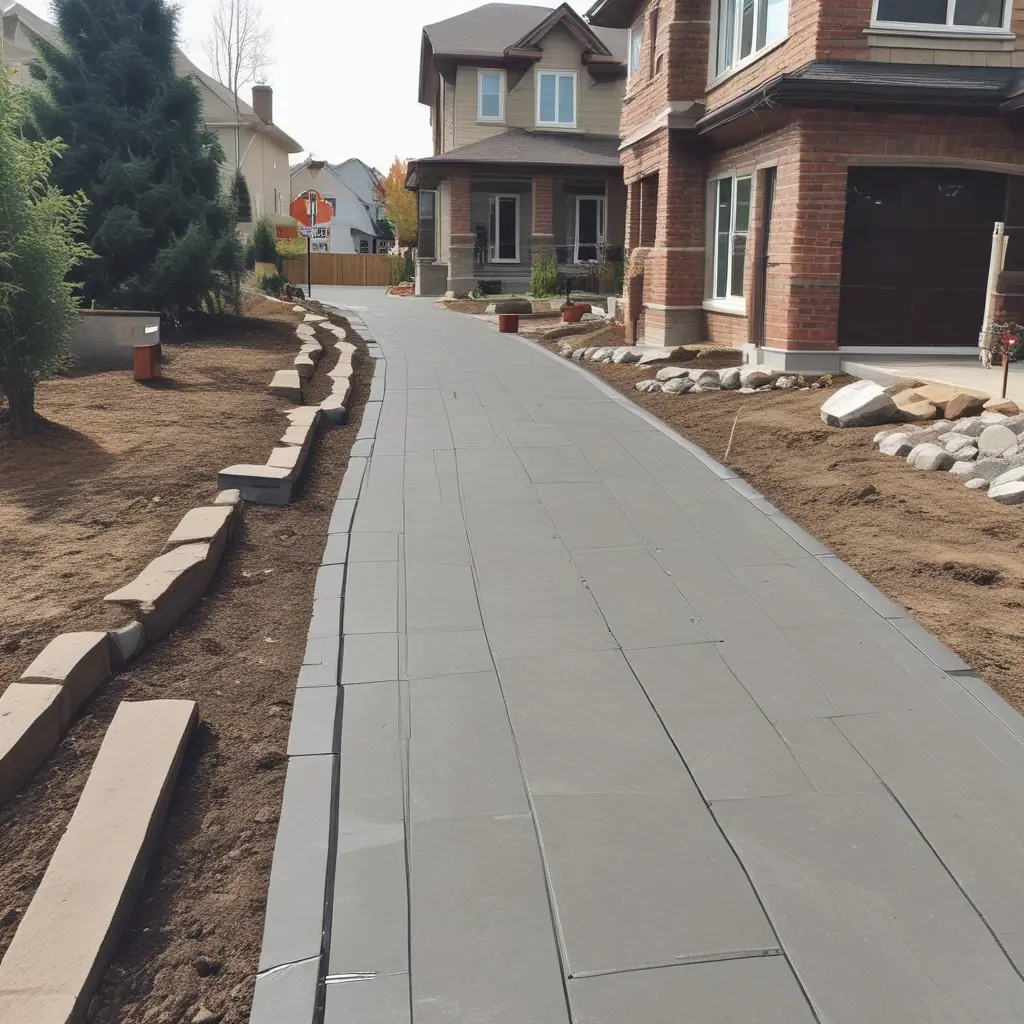
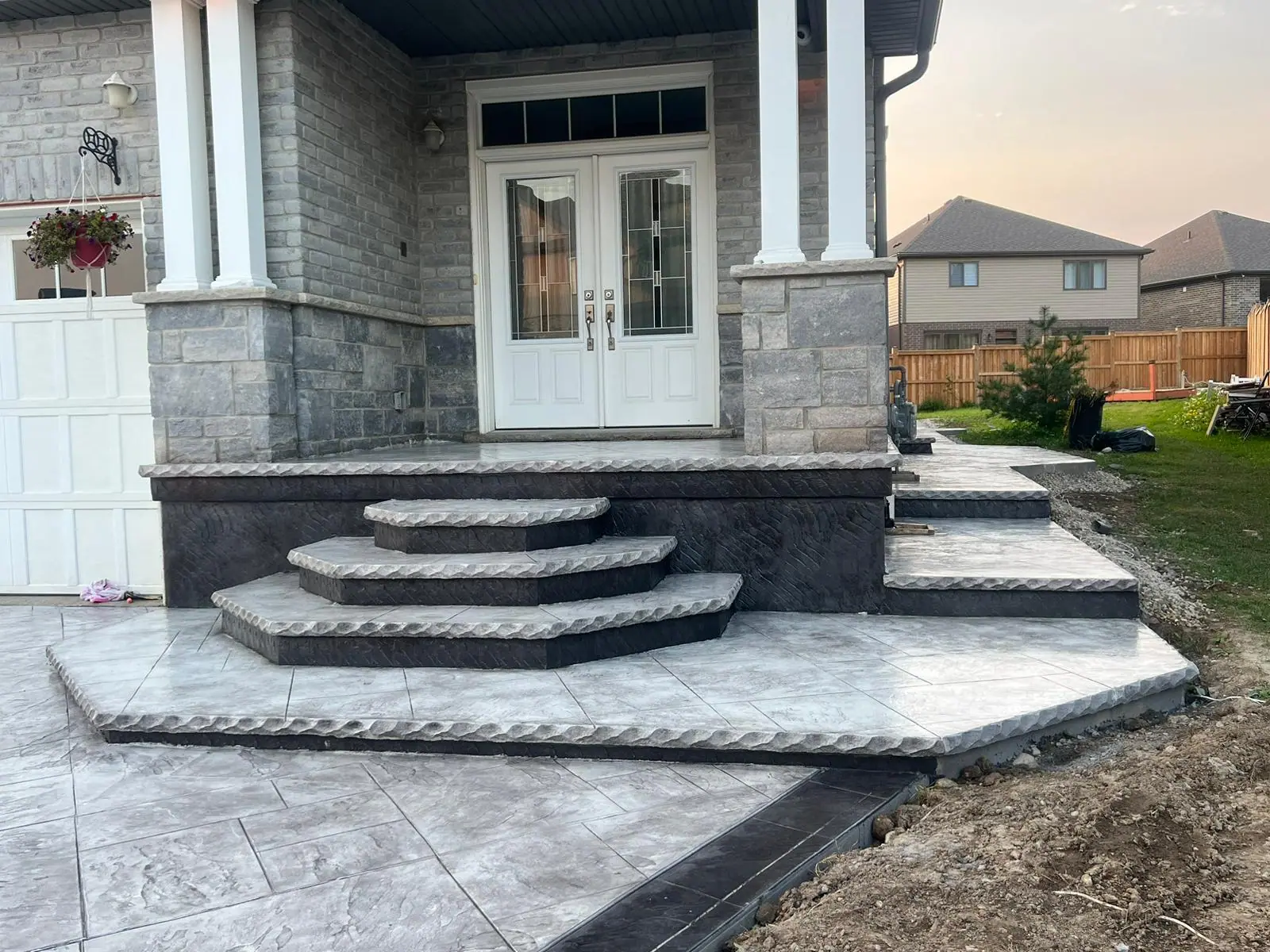
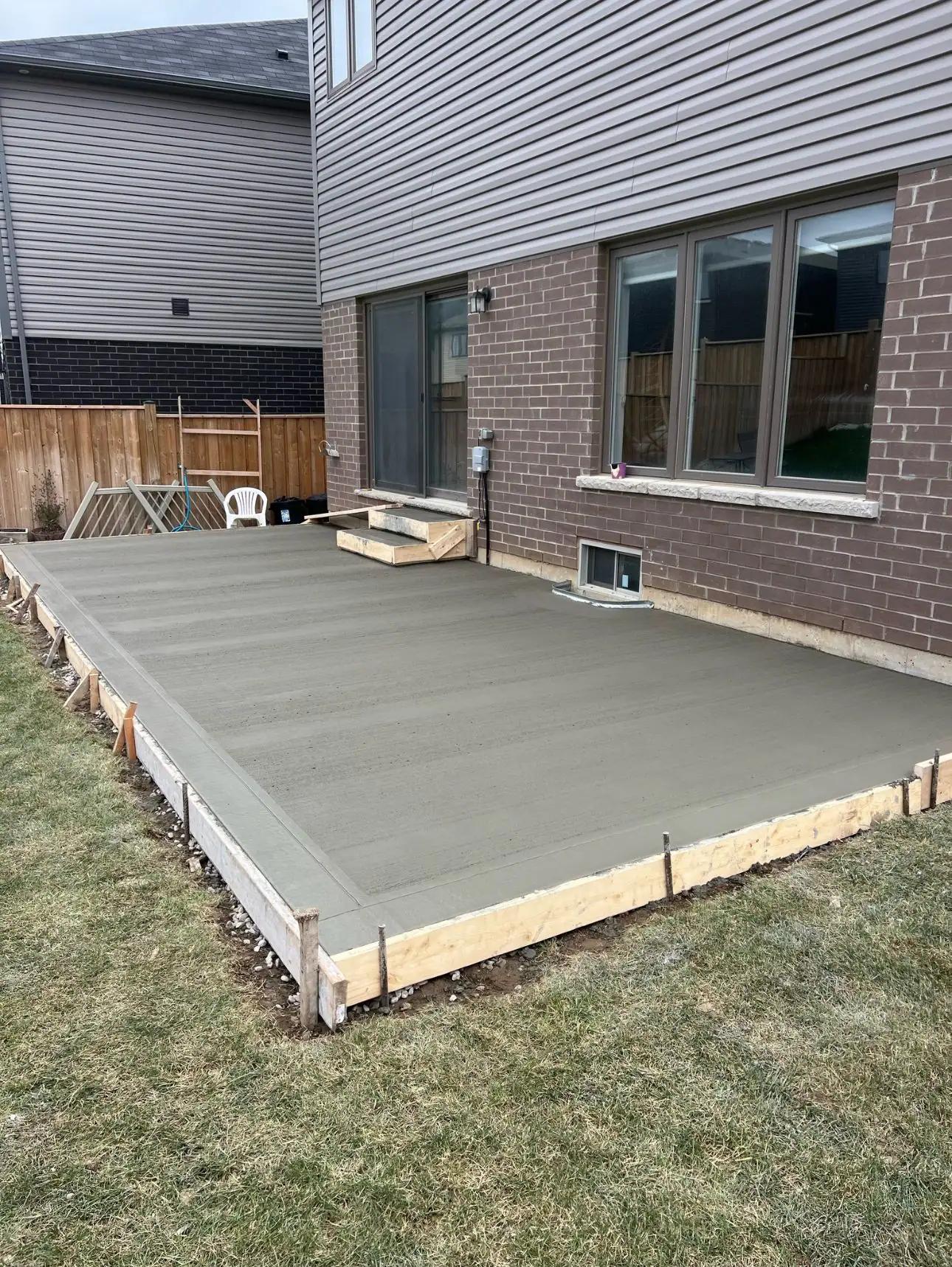
Interlock & Concrete we’ve built
Pricing guidance
How much does an interlock or concrete driveway cost in the GTA?
Typical 2026 prices in the GTA and Hamilton run $12 to $40 per sq ft before HST, depending on the material and whether it carries cars.
Broom-finish concrete
$12–$18 per sq ft
Walkways, pads and plain driveways.
Interlock patio or walkway
$22–$35 per sq ft
Curves, borders and steps add cost.
Interlock or stamped driveway
$25–$40 per sq ft
Deeper base, plus old driveway removal.
What drives the cost
- Removing the existing surface
- Clay soil and excavation depth
- Borders, inlays and curved cuts
- Steps and retaining walls
HST (13%) is extra. A fixed written quote follows a free site visit.
Financing options →Permits & code
Do you need a permit to widen a driveway in Ontario?
Usually not a building permit, but every GTA city limits driveway width through its zoning by-law, and cutting or widening the curb needs a separate permit from the municipality.
Brampton's rules, updated by By-law 32-2026, allow about 7.0 m (23 ft) on lots 9.14–15.24 m wide, with tighter limits in mature neighbourhoods, plus a 0.6 m (2 ft) landscaped strip along the property line. Mississauga ties width to frontage and zone. An over-width driveway can be ordered removed at your cost.
How deep should the base be under interlock and concrete?
For a driveway we typically excavate 300–400 mm (12–16 in) and install 200–300 mm (8–12 in) of compacted Granular A; walkways and patios usually get 150–200 mm (6–8 in) of base, with about 25 mm (1 in) of bedding under pavers.
Base goes in 100–150 mm lifts, each compacted, with geotextile on Peel and Hamilton clay. Surfaces slope about 2% away from the house. Exterior concrete is air-entrained, commonly 32 MPa with 5–8% air.
On the job
Watch our crews at work
Spread the cost: Financeit renovation financing, with payments that start once the work is finished.
See FinancingFrequently asked questions
Interlocking & Concrete: questions we’re asked before contract
You can usually drive on interlock the same day it's finished, but new concrete needs about 7 days before cars and roughly 28 days to reach full design strength. Foot traffic on concrete is generally fine after 24 to 48 hours. The only wait on interlock is a few dry hours for the polymeric sand to set.
Interlock is better if you want easy repairs and fewer visible cracks, while stamped concrete costs a little less and has fewer joints to weed. Pavers can be lifted and relaid, but concrete repairs always show. Our rule of thumb: on clay soil or where a future utility trench is likely, go interlock. On a stable, well-drained site where a smooth look matters, stamped concrete works well.
Sinking or heaving almost always means the base was too thin, poorly compacted or holding water, not that the pavers are faulty. Frost lifts wet base, and soft spots settle under tires near downspouts and loose edges. The fix is to lift the pavers, rebuild the base with compacted Granular A and relay the same pavers. It is common on driveways built with only 100–150 mm of stone.
Avoid rock salt on new concrete for the first winter, and use it sparingly afterwards. Interlock handles salt better. Salt pulls water into fresh concrete and speeds freeze-thaw scaling. In the first winter, use sand for traction or a de-icer the concrete supplier approves, and never use ammonium-based products. Shovelling promptly reduces how much de-icer you need.
Yes, Ontario law requires a free locate request through Ontario One Call before any excavation, including a backyard patio. Allow at least five business days. One Call covers only public utility lines, so private lines you own, such as gas to a barbecue or wiring to a shed, need a private locator. We arrange both before we dig.
Where we do this
Interlocking & Concrete across our service area
Related services
Often built together
Book A Site Visit For Interlocking & Concrete
Book a free site visit. You'll get a written, itemised quote and a straight answer on permits and timing.
Financing available through Financeit. See options